Consult




Fellow professionals in the power industry: when commissioning a fast-transfer device on site, there is one setting with a plain name but great importance. Set it wrong and the switching logic gets stuck at once - it is the branch no-current setting.
Set too high, a branch that still carries current is judged as having no current, so the device transfers when it should not; set too low, even a small leakage current is judged as current, so the transfer condition is not met and a needed transfer fails to start.
In either case, switching reliability is seriously compromised.
Today, let's clarify how to set this value properly.
1. What Is the Branch No-Current Setting?
In one sentence: the branch no-current setting is the threshold the fast-transfer device uses to judge whether a branch carries current.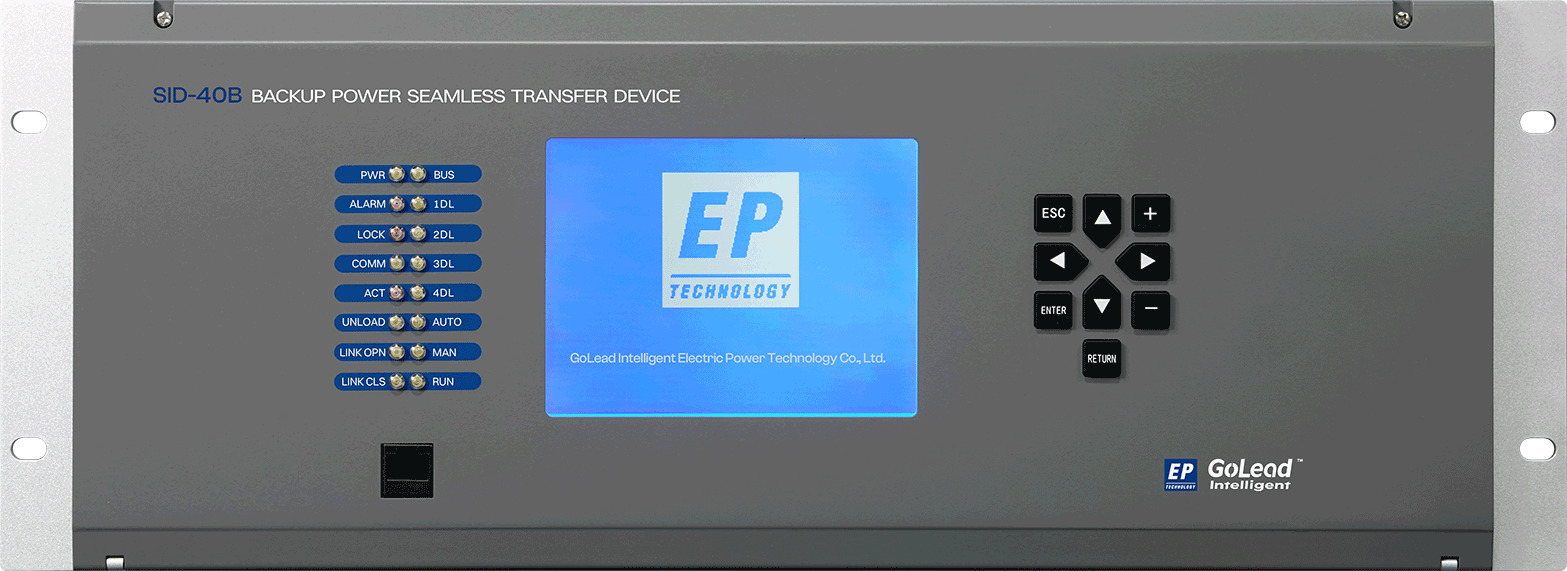
In the SID-4 series fast-transfer device, its parameters are as follows:
Parameter | Content |
Range | 5.0% ~ 99.9% In 5.0% ~ 99.9% In |
Default value | 10.0% In |
Core functions | (1) Identify abnormal switch status to prevent maloperation caused by auxiliary-contact wiring errors; (2) during busbar undervoltage-initiated transfer, determine whether the working incoming line has already lost current. |
It is not an isolated parameter; it is the first gate of the entire switching decision chain.
2. What Happens If It Is Set Wrong? Two Outcomes, Both Unpleasant
Setting | Consequence | Impact on Switching |
Set too high | The branch still carries current, but the device misjudges it as "no current" | If a breaker auxiliary contact is loose, then even though the incoming line is still energized, the fast-transfer device may initiate a transfer. |
Set too low | The incoming line has lost power, but a small leakage current or measurement error is judged as "current" | The transfer condition is not met, so the required transfer cannot occur and the busbar remains de-energized. |
An improperly set branch no-current value can easily cause the device to misjudge the branch status, directly affecting the accuracy of the switching logic.
3. Correct Setting Methods: Two Approaches, Both with Clear Rules
Setting Principle
The branch no-current setting shall be no greater than the minimum on-site load current and, on that premise, should be taken as large as practicable.
This both ensures accurate identification of the branch no-current state and avoids misjudgment caused by tiny leakage currents, measurement errors, or load fluctuations.
Method 1: When Corresponding Data Is Available
Example: if the minimum on-site load current is 0.2 A (secondary value), the branch no-current setting can be set to 0.18 A - slightly below the measured value and as close to it as practicable, balancing reliability and sensitivity.
Method 2: When No Corresponding Data Is Available
In engineering practice, it is generally recommended to set the value at 8%-10% of In (In is the rated secondary current of the CT). On the premise that it does not exceed the minimum load current, prefer a value near the upper limit to improve immunity to interference, and revise it according to Method 1 once the minimum load current data becomes available.
4. Going Further: Though Small, This Setting's Internal Logic Chain Is Not Simple
Although the branch no-current setting is only a threshold for "whether current exists," it plays multiple roles in the device's internal logic chain:
1) Busbar undervoltage-initiated transfer
Busbar voltage drops + working incoming-line current < branch no-current setting -> confirm the incoming line has lost power -> allow the transfer
2) Working breaker spurious-trip initiation
Working breaker is in the open position + working incoming-line current < branch no-current setting -> confirm it is a spurious breaker trip rather than an auxiliary contact fault -> initiate the transfer
3) Reverse logic: current-carrying blocking
Conversely, when the incoming-line current is greater than the branch no-current setting, neither of the two conditions above is satisfied and the transfer is naturally blocked - this is the effect of "current-carrying blocking."
In other words, setting the branch no-current value correctly not only ensures a transfer happens when it should, but also prevents a transfer when it should not. It is both the pass for initiating a transfer and the gatekeeper for blocking it.
Go check the fast-transfer device you are responsible for right now - if the normal operating load current is lower than the set branch no-current value, then the value is set too high and should be adjusted as soon as possible to make the transfer more reliable!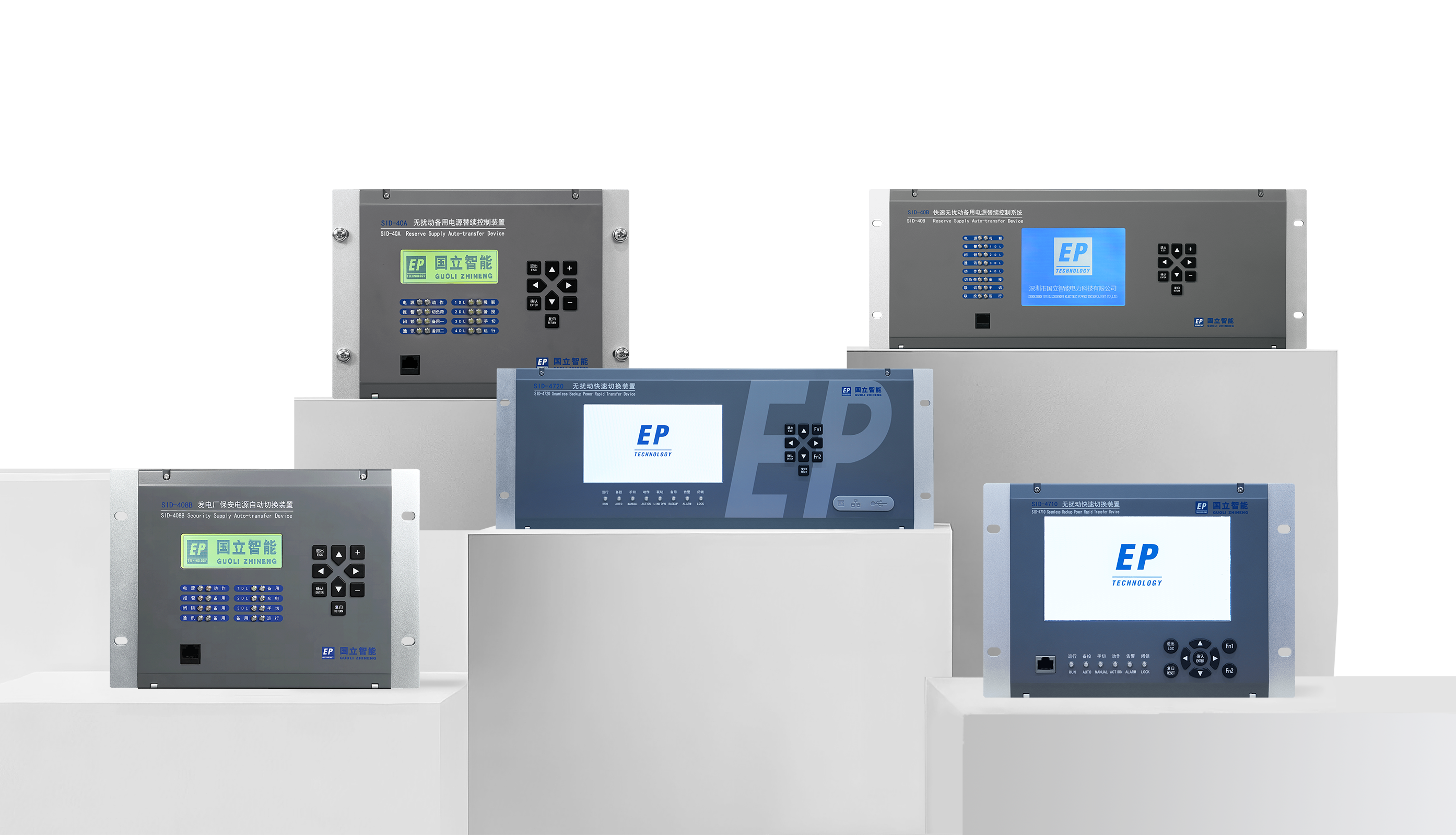
The fast-transfer device is a core piece of equipment that ensures continuous power supply to the power system, and every parameter setting directly affects supply safety. Golead-intelligent has been deeply engaged in power automation for many years. Its SID-4 series fast-transfer device, with advantages such as disturbance-free switching, precise blocking, and high reliability, has been widely applied in various power distribution scenarios, safeguarding the stable operation of the power system.
If you have any other questions about fast-transfer device selection, commissioning, or operation and maintenance, feel free to leave a comment or message us for a dedicated technical solution.
Don’t hesitate to drop us an email to start the conversation.