Consult




Part.01
Everyone knows how fast the energy-storage industry has been expanding capacity over the past two years.
Production campuses have been launched one after another, and power-distribution projects have been racing against schedules to keep up.
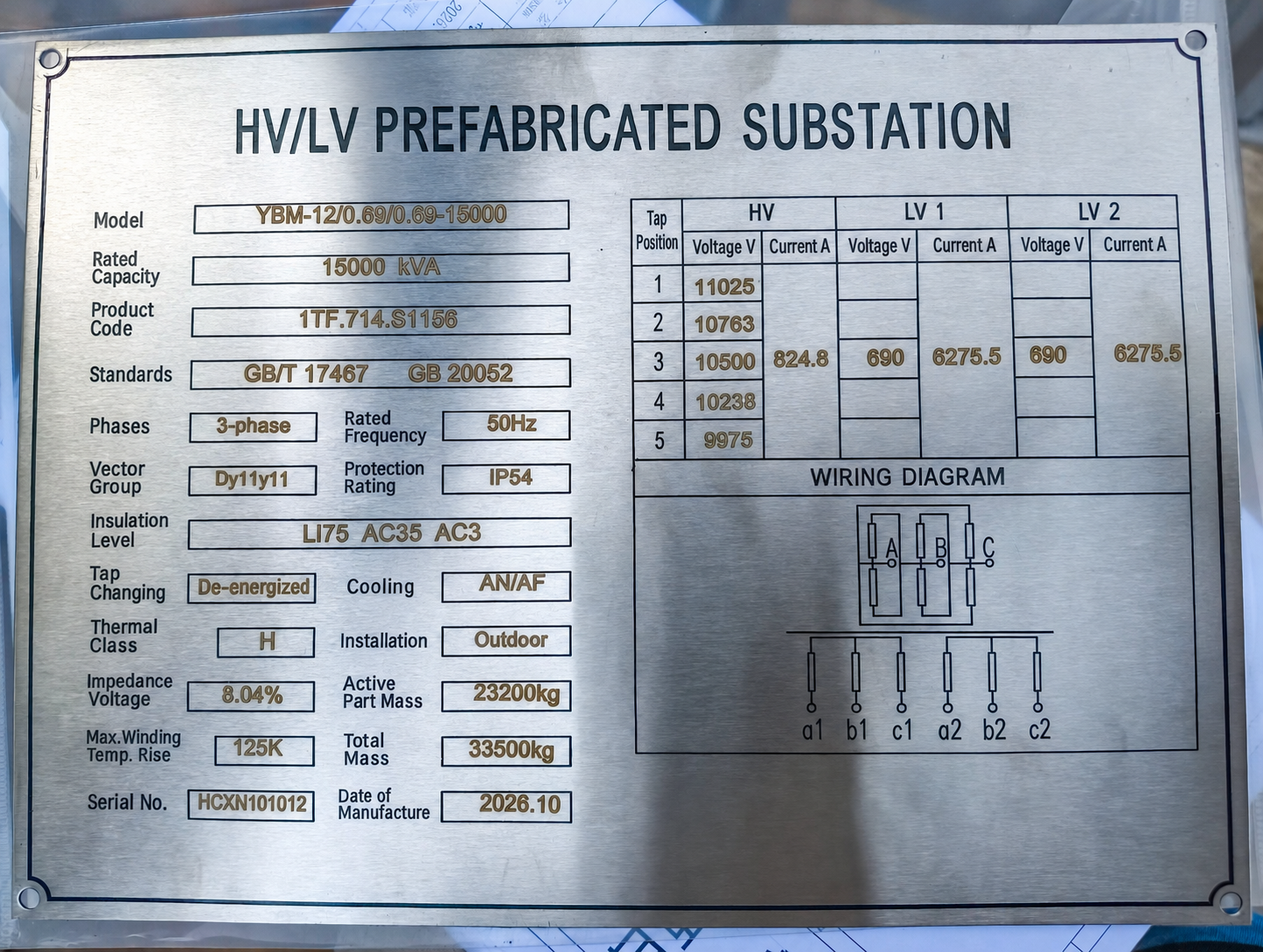
This time the project sits inside the campus of a leading energy-storage company: a newly built 10 kV distribution project with two 15,000 kVA high-capacity box-type substations — by no means small for a campus of this kind.
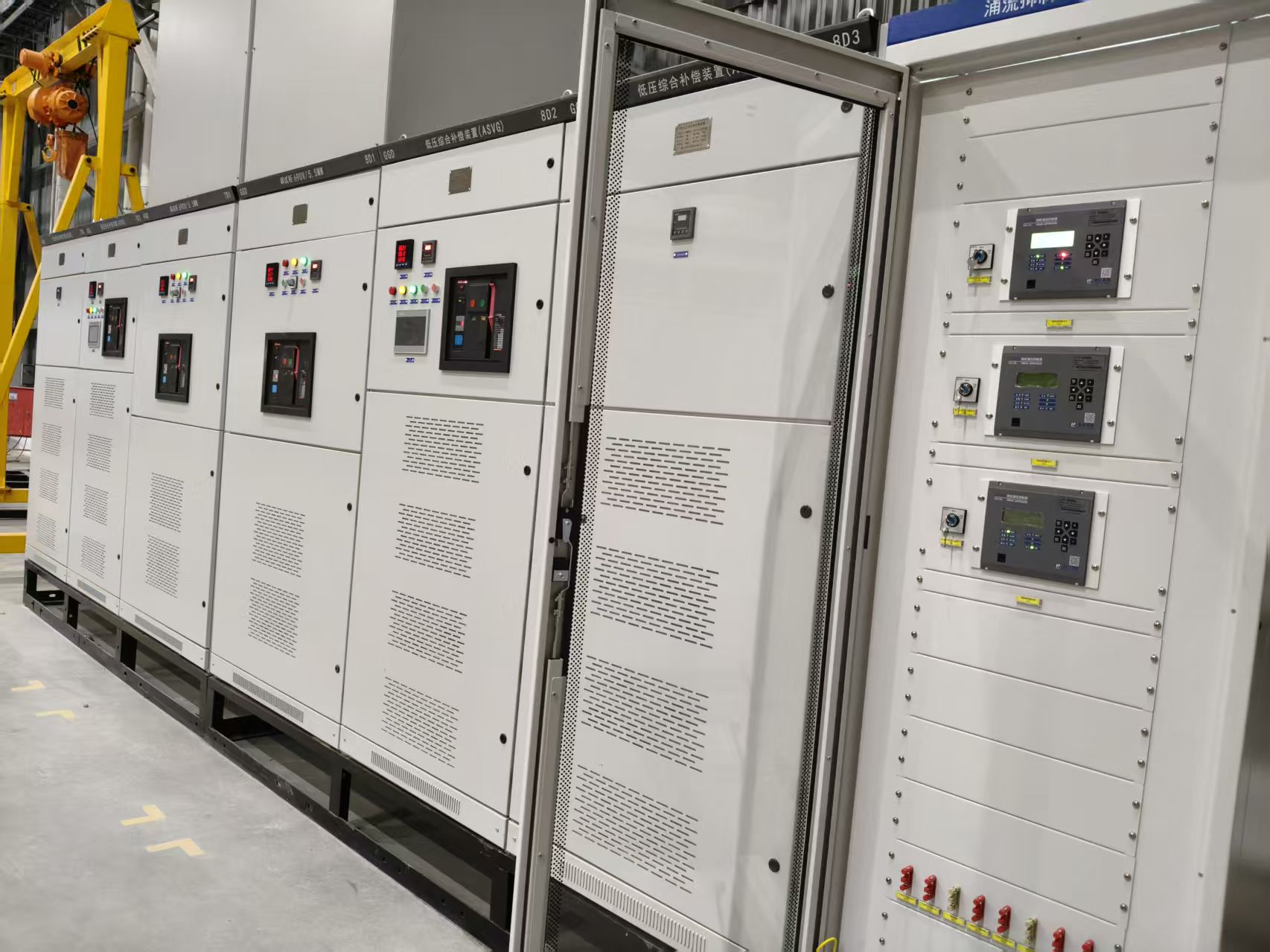
When a transformer is energized with no load, the core flux saturates instantly and generates an inrush current far above the rated current — at best tripping the breaker, at worst hammering the campus grid.
On many sites the approach has been "close it directly and hope for the best."
But energy-storage scenarios differ from ordinary distribution: the campus box-type substations are switched in and out frequently along with charging and discharging, so inrush here is not an occasional risk — it is a high-frequency problem.
For a new campus, the energization milestone is everything; every trip means another round of commissioning, and the schedule simply cannot afford it.
Golead Intelligent's approach is pre-magnetization plus phase-controlled switching.
Keep the core flux from saturating at the source, instead of waiting for the inrush to strike and letting the protection take the hit.
Pre-magnetization and phase control: two devices, each handling one part of the job.
Part.02

Solution diagram: pre-magnetization + phase-controlled switching
Inrush current has two sources: the residual magnetism left in the core by the last de-energization, and the voltage phase the closing instant happens to land on.
Pre-magnetization plus phase control tackles these two points separately: first control the starting point, then pick the precise landing point.
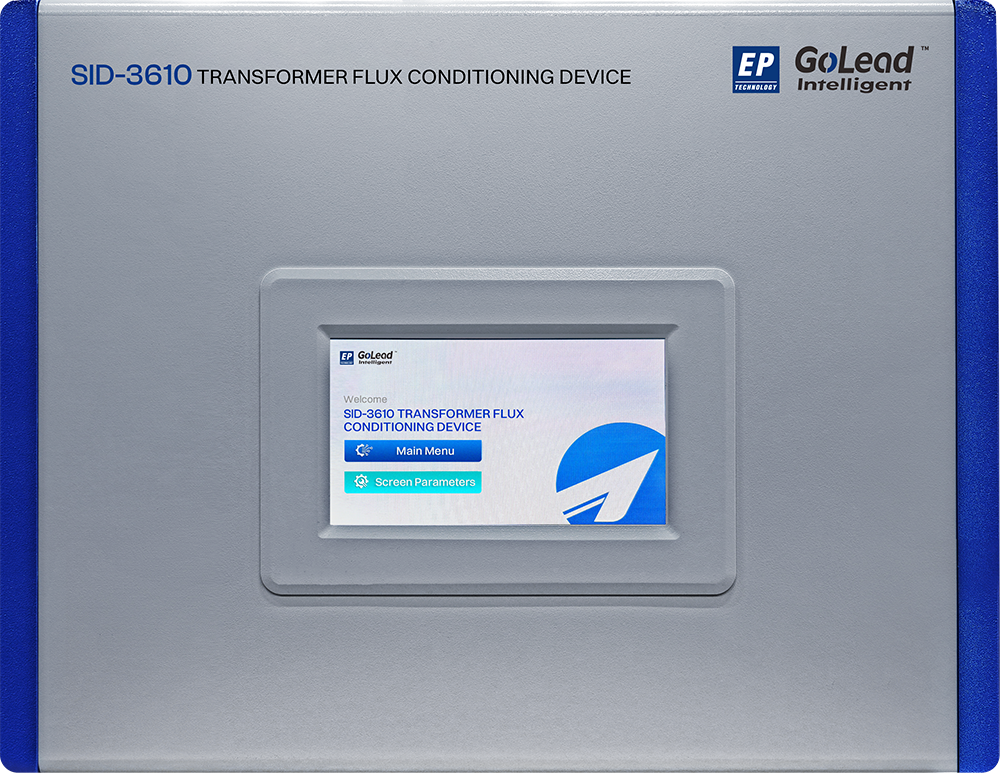
The SID-3610 transformer magnetizing/de-magnetizing device takes care of the "first bite"
Every time the transformer is de-energized, some magnetism remains in the core.
If the next closing lands on an unfavorable direction, this residual magnetism stacks with the new flux and pushes the core into saturation at once.
What the magnetizing/de-magnetizing device does is put the residual magnetism in the core in order before closing.
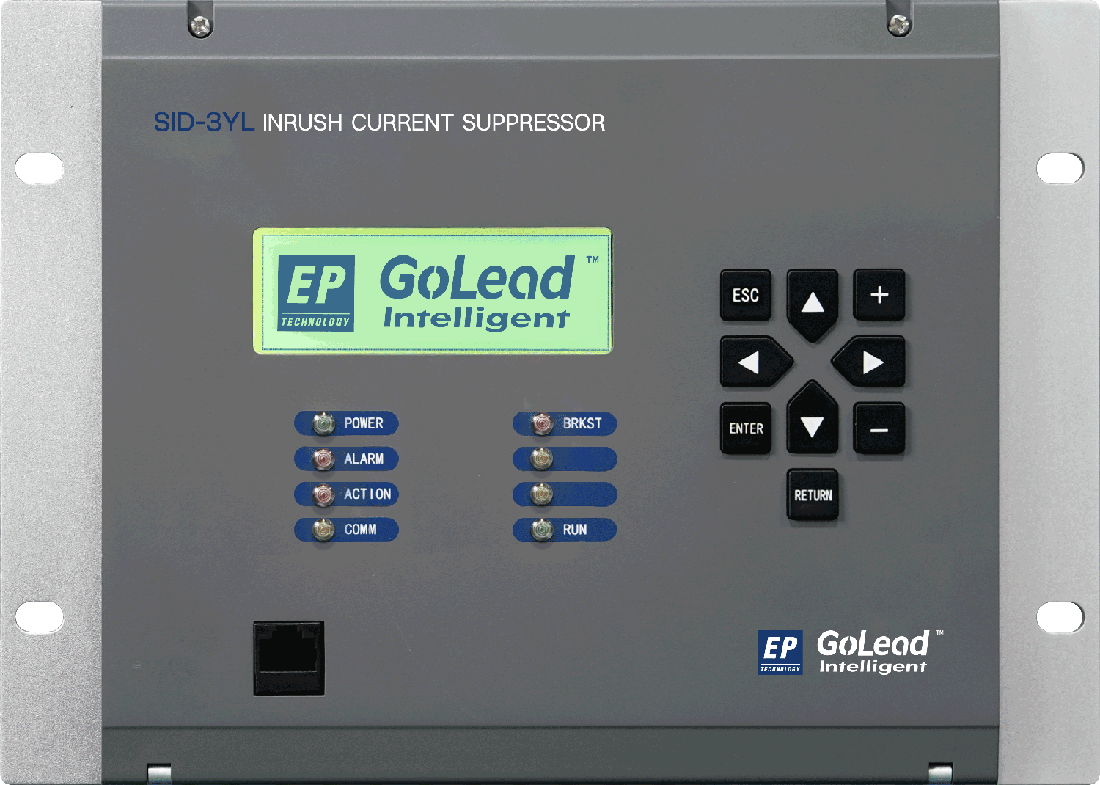
The SID-3YL inrush suppressor takes care of "picking the moment"
Once the residual magnetism is under control, the next question is where on the voltage waveform the closing lands.
With the wrong phase the flux still spikes; with the right phase the closing offset is exactly cancelled, and the core never saturates.
This is precisely what the inrush suppressor governs — it decides the closing instant.
Each of the two box-type substations was closed twice with waveform recordings; the data are as follows:
Box-type substation | Inrush vs. rated peak | Operation sequence |
#4 | 0.52 × | Closing 1 |
#4 | 0.145 × | Closing 2 |
#5 | 1.15 × | Closing 1 |
#5 | 0.3 × | Closing 2 |
#4 box-type substation closing records: first closing — inrush 0.52 ×; second closing — inrush 0.145 ×.
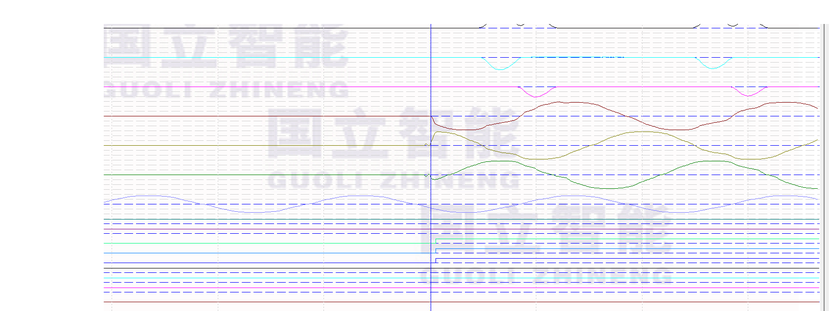
#4 box-type substation · Closing 1, inrush 0.52 ×
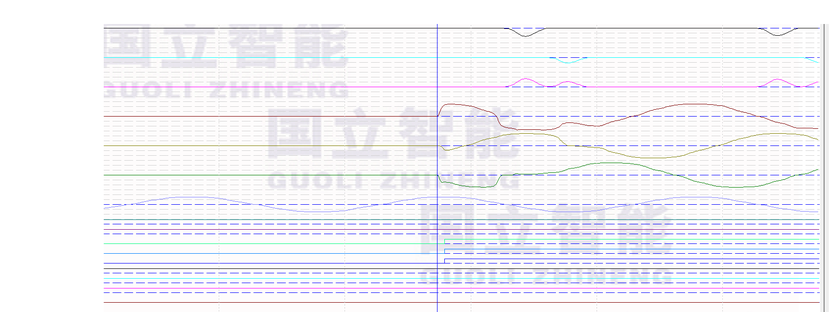
#4 box-type substation · Closing 2, inrush 0.145 ×
#5 box-type substation closing records: first closing — inrush 1.15 ×; second closing — inrush 0.3 ×.
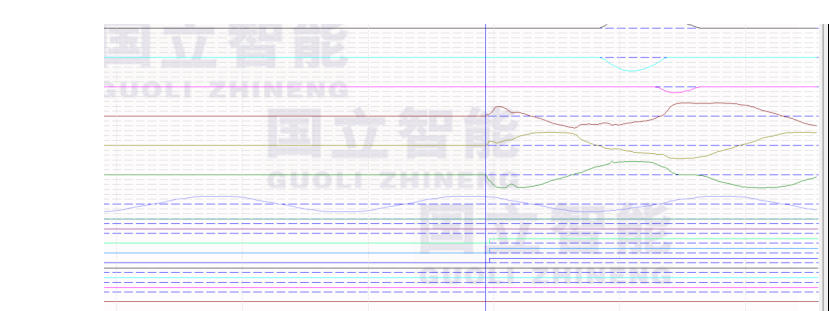
#5 box-type substation · Closing 1, inrush 1.15 × (slight deviation in closing time)
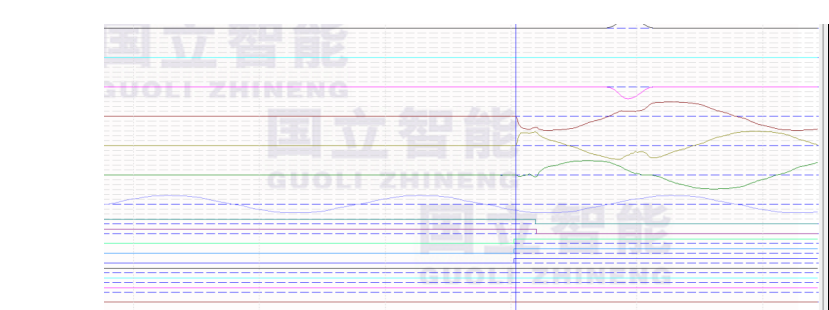
#5 box-type substation · Closing 2, inrush 0.3 × (after fine-tuning the closing time)
Across the four closings, except for one that spiked to 1.15 × due to a deviation in breaker operating time, the other three all stayed within 0.6 ×; the core flux never saturated throughout, and both box-type substations were commissioned smoothly.
The devices adapt automatically to the actual characteristics of the site breakers, the four waveform recordings put the results down on paper, and the inrush problem was solved once and for all.
For power distribution on a schedule-pressed energy-storage campus, this pre-magnetization + phase-control solution is no icing on the cake — like relay protection, it should be brought in at the design stage.
If your project is also struggling with inrush when energizing box-type substations, feel free to leave a message or contact us to discuss.
Shenzhen Golead Intelligent Power Technology Co., Ltd.
Dedicated to power source switching safety control and phase-control technology.