Consult




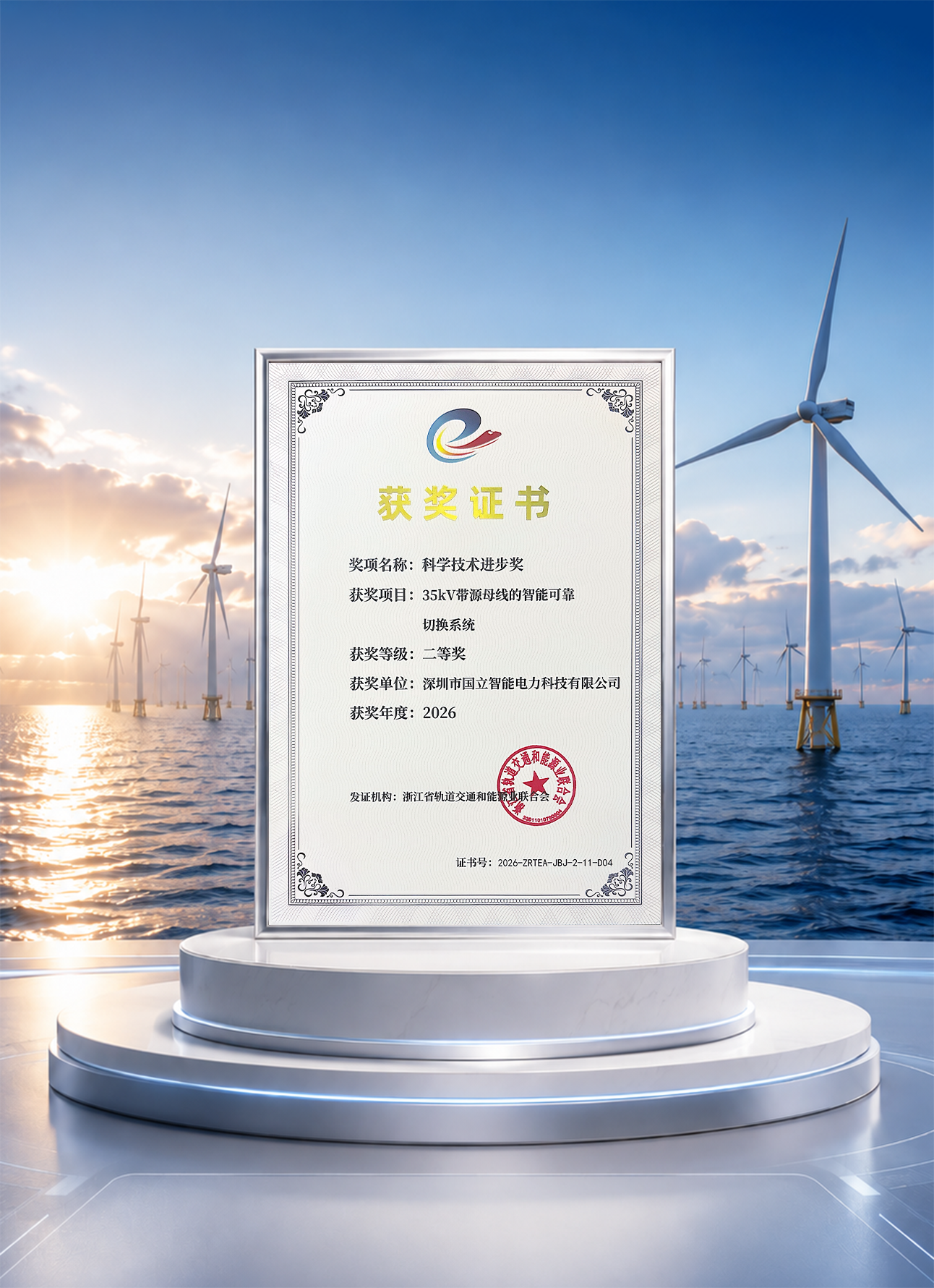
Recently, GoLead Intelligent received a pleasant surprise.
The Second Prize for Scientific and Technological Progress of the 2026 Zhejiang Provincial Association of Rail Transit and Energy Industry.
Our award-winning project is called the “35 kV Intelligent and Reliable Transfer System with an Energized Busbar.”
The technical jargon may sound complicated. But in plain terms, we have cracked a problem that has troubled the offshore wind power industry for years.
01 The “Achilles’ Heel” of Offshore Wind Power
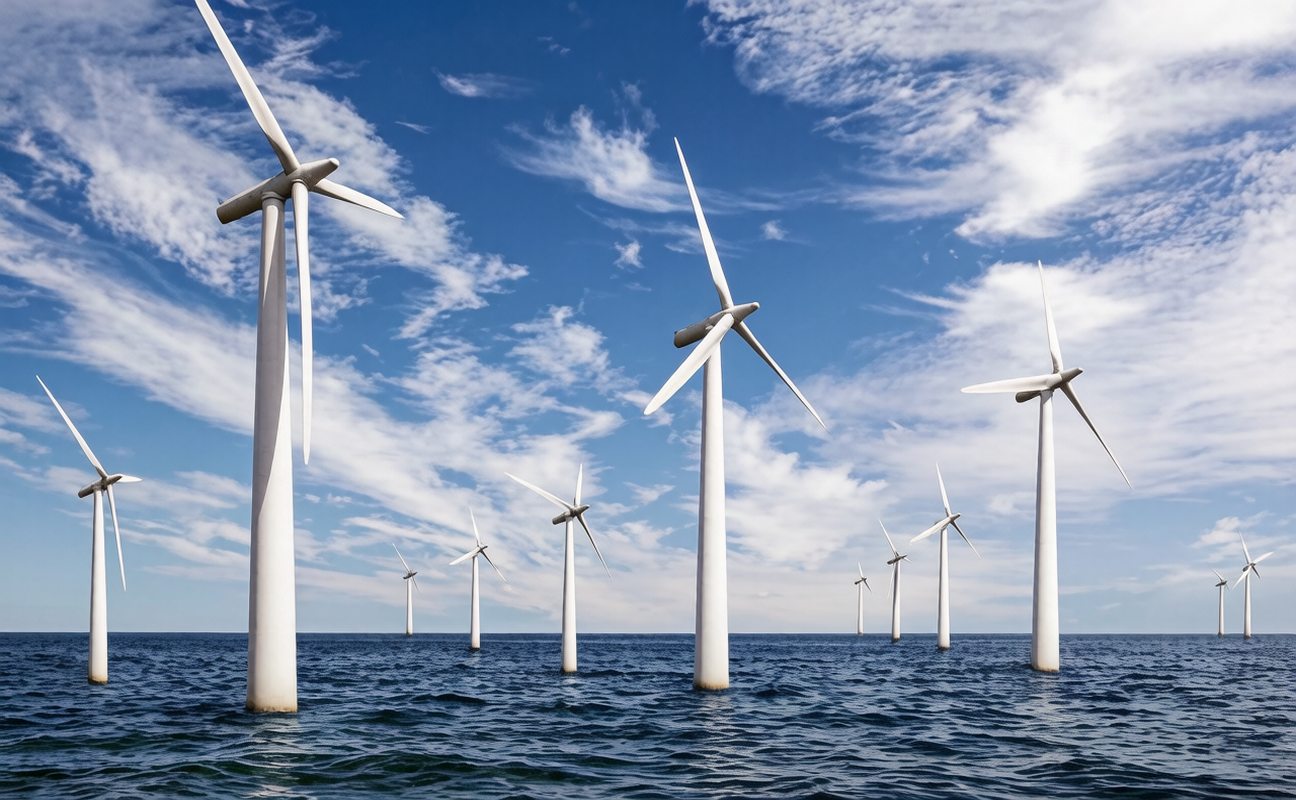
Offshore wind farms have many turbines and long cable runs, making main transformer maintenance a routine affair.
In the past, when one busbar section was under maintenance, the dozens of turbines connected to it simply had to be shut down.
It was like basking in the sun yet unable to generate a single watt. This is “wind curtailment,” and the losses are enormous.
Why couldn’t it switch over to the standby busbar as effortlessly as a factory’s dual power supply?
Because 35 kV systems traditionally do not come with automatic transfer.
What makes it even trickier is that a system built from wind turbine inverters features weak inertia and high harmonics.
During a transfer, the slightest misstep can trigger oscillation, or even a trip.
It is like performing surgery on a giant with a short temper — an extremely demanding task.
02 40 Years of Technological Heritage, Conquering the “No-Man’s Land”
We chewed through this hard nut.
Drawing on the company’s 40+ years of technological heritage in power transfer, we joined forces with China Huadian Electric Power Research Institute to tackle the challenge.
Together we successfully developed the “35 kV Intelligent Transfer System with an Energized Busbar.”
Its core highlights lie in three “breakthroughs”:
1. Cracking the risk of loop-closing surge
When two busbar sections are briefly tied together in a loop, the surge current can damage equipment. Our system monitors voltage and harmonics in real time, finding the safest instant within milliseconds to complete a surge-free loop closing.
2. Overcoming the demanding synchronization conditions
The harmonics and power-angle issues of wind turbine systems make synchronization conditions extremely hard to satisfy. Our system intelligently identifies power-angle differences and issues the closing command at the most precise phase angle.
3. Meeting the demand for intelligent control
The system needs to devise the optimal transfer strategy based on weather forecasts and power dispatch. Our system automatically blocks the transfer when main transformer capacity is insufficient, never taking risky switches. It truly delivers “intelligent decision-making, safety first.”
03 One Successful Trial, an Industry Innovation
At the Zelang Wind Farm on the coast of the Taiwan Strait in Fujian Province, our system faced its real-world test.
The on-site on-load transfer trial succeeded on the first attempt, with every indicator fully meeting the research objectives.
This marks the first engineering innovation application of 35 kV energized-busbar intelligent transfer technology in the new-energy sector on the power supply side.
Since the system was commissioned, the results have been immediate:
① Significantly boosting power generation during main transformer maintenance and effectively reducing the wind curtailment rate.
② Greatly easing the workload of operation and maintenance personnel, with remarkable economic benefits.
③ Providing a replicable solution for similar problems across the offshore wind power industry.
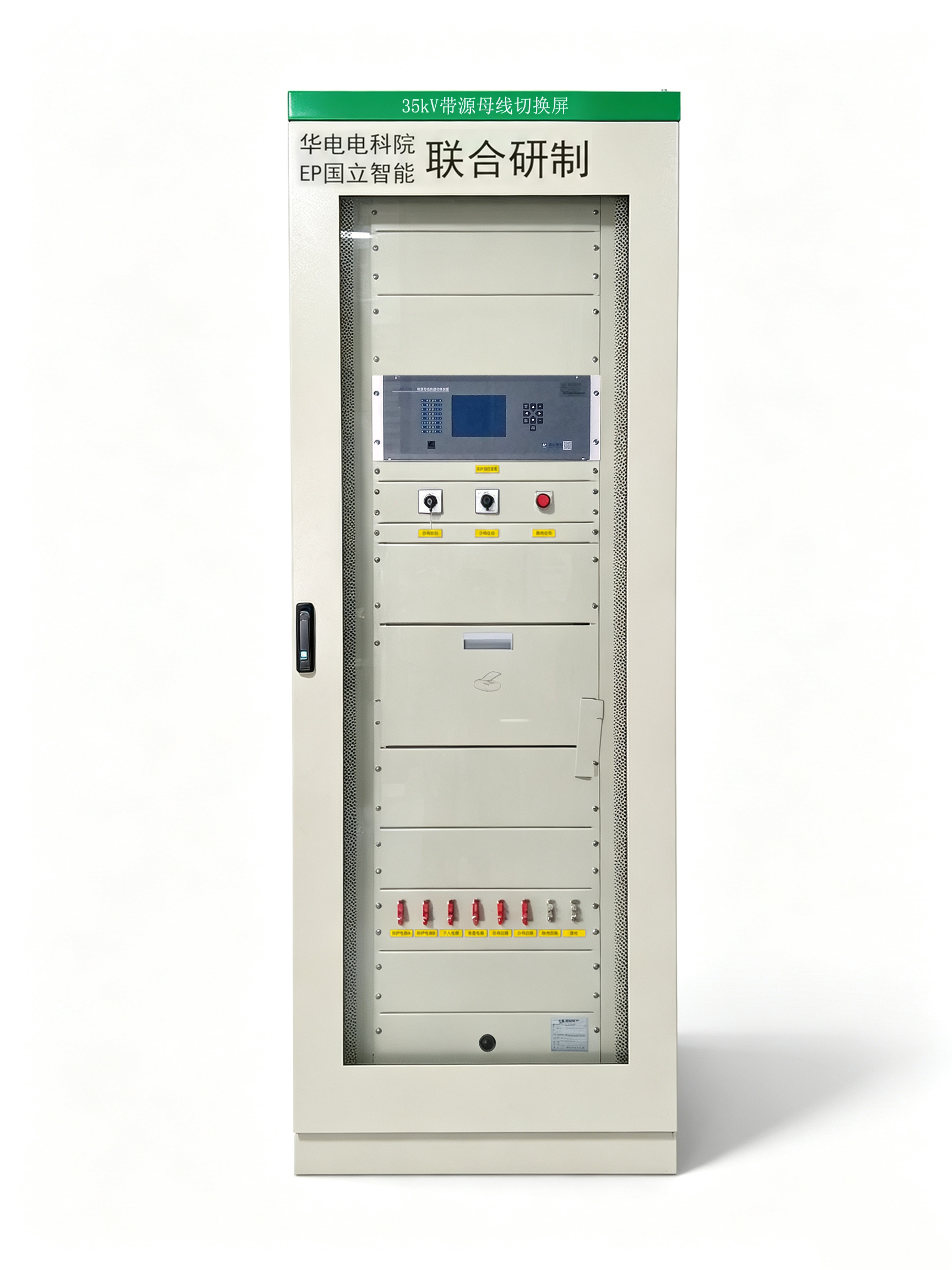
The picture below shows the “35 kV Energized-Busbar Transfer Panel” jointly developed by us and China Huadian Electric Power Research Institute.
It stands offshore, safeguarding every kilowatt-hour of electricity.
END
From the traditional “fast transfer” to today’s “energized-busbar intelligent transfer.”
What has changed is the technology; what remains unchanged is GoLead Intelligent’s mission — “make every transfer safer.”
If you face a similar challenge, feel free to leave us a message.
We will tailor a solution for you, so your turbines no longer “bask in the sun.”